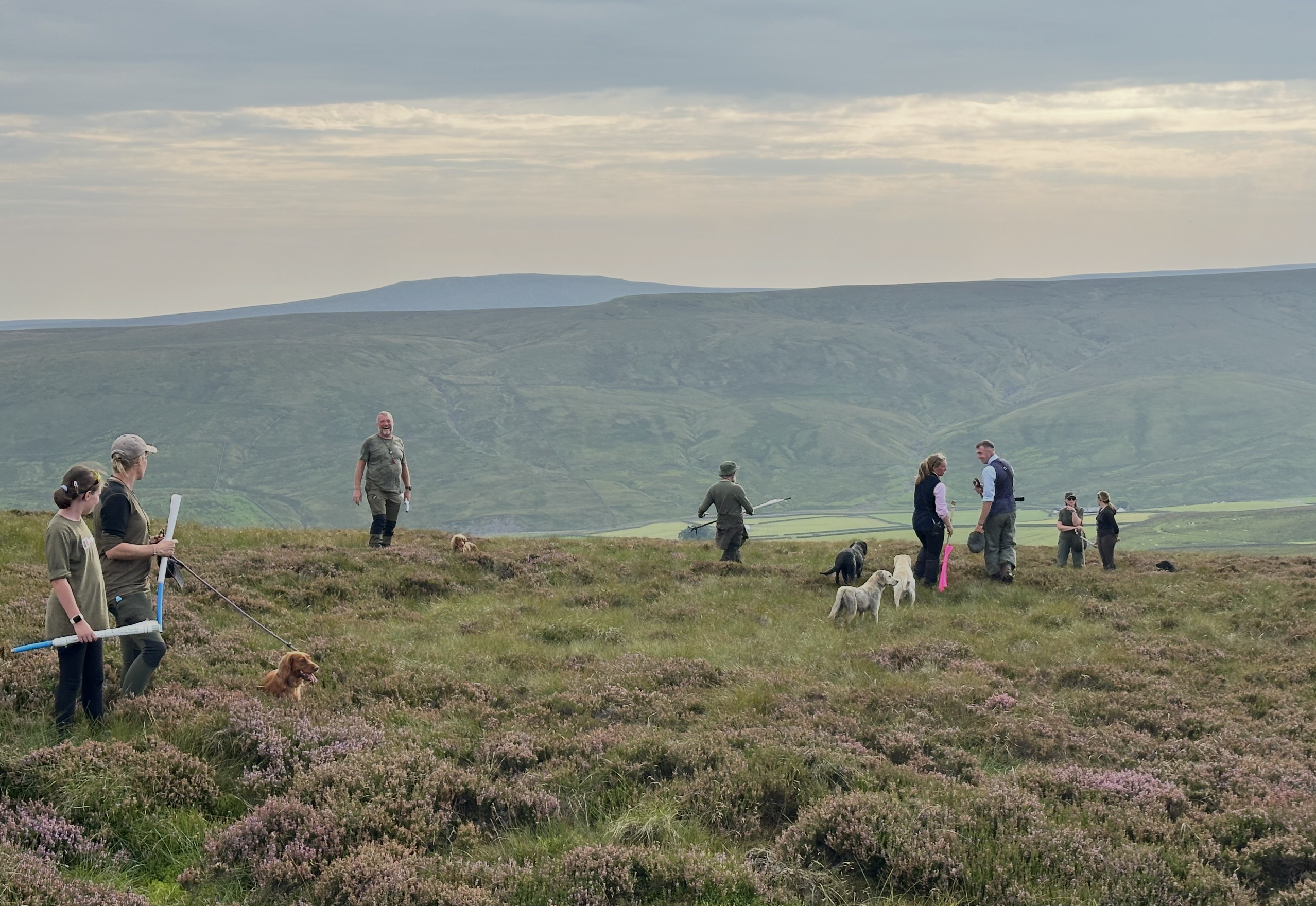
The grouse shooting season gets underway tomorrow, 12 August, with estates across the North Pennines preparing for what is expected to be a significantly stronger season than last year.
After a challenging 2025 season, there is a much more positive mood across the moors this year, with many estates reporting encouraging results from their summer brood counts.
The counts have shown good numbers of young grouse on many moors, giving estates the confidence to proceed with their planned shooting programmes. While conditions and grouse numbers vary from moor to moor, the overall picture is considerably more encouraging than it was this time last year.
We have spoken to 31 moors undertaking driven grouse shooting, and between them they currently have a staggering 318 driven days pencilled in for the coming season. This figure does not include the many additional low-ground shooting days which will also take place across the region.

The economic contribution represented by these days is significant. Based on the figures provided to us, the 318 driven days will generate approximately £1,064,460 in wages paid directly to shoot-day staff, including beaters, flankers and pickers-up.
And that is only part of the picture.
The figure does not include caterers, loaders, drivers, gamekeepers, estate staff, suppliers or the many other businesses and individuals required to make a successful driven grouse day possible. Nor does it account for the wider economic activity generated when visiting guns, staff and others spend money in the surrounding communities. That money finds its way into local pubs, restaurants, shops, accommodation providers, garages and other rural businesses. In many cases, it is money which is spent locally and repeatedly, providing an important source of income to communities throughout the North Pennines.
What is particularly striking about these figures is where this investment comes from. This is private investment. It is not government funding or public borrowing. It is money being spent by individuals who choose to invest in grouse shooting, moorland management and the rural economy. Yes, many of those people are wealthy. But that wealth is being put to work in rural areas, supporting employment and businesses and helping to maintain an industry which provides a livelihood for a considerable number of people. For those who work within the industry, the value of that investment is something they see throughout the year.
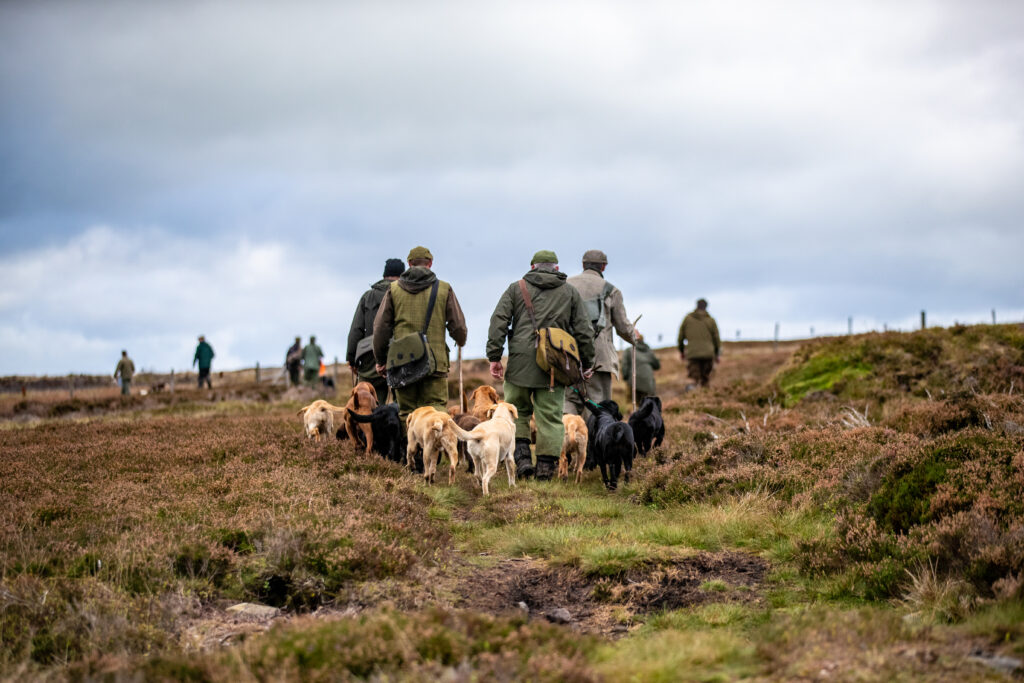
Grouse shooting is, of course, a subject which attracts strong opinions. Sustainable harvesting of a wild bird will not be to everyone’s taste, and there will continue to be debate about the management of our uplands. But behind the arguments are people whose jobs and businesses depend upon the industry, as well as the substantial investment that goes into managing the moors. The people involved in grouse shooting also see first-hand the work that goes into maintaining these landscapes and supporting healthy grouse populations. Gamekeepers and estates spend considerable time managing habitat and controlling predators, with the aim of creating the conditions in which grouse can thrive. For those of us involved in the industry, the red grouse is a bird held in exceptionally high regard. Seeing strong broods this summer and the prospect of a meaningful shooting season is therefore a source of considerable optimism.
The Glorious 12th is always an important date in the upland calendar, but this year it arrives with a renewed sense of optimism. After last year’s disappointing numbers, the encouraging brood counts have provided a welcome boost to estates, keepers, shoot staff and the wider businesses which benefit from the season. There will undoubtedly be debate around grouse shooting in the weeks and months ahead. But whatever people’s personal views on the sport, the economic contribution made by the industry across the North Pennines should not be overlooked.
With 318 driven days currently planned across the 31 moors we have spoken to, and more than £1 million in direct wages to shoot-day staff alone, the scale of that contribution is clear. Tomorrow, as the first shots of the new season echo across the North Pennines, there will be a great deal of relief and excitement among those who have worked throughout the year to make the season possible.